Closing meeting 20-21 May 2026
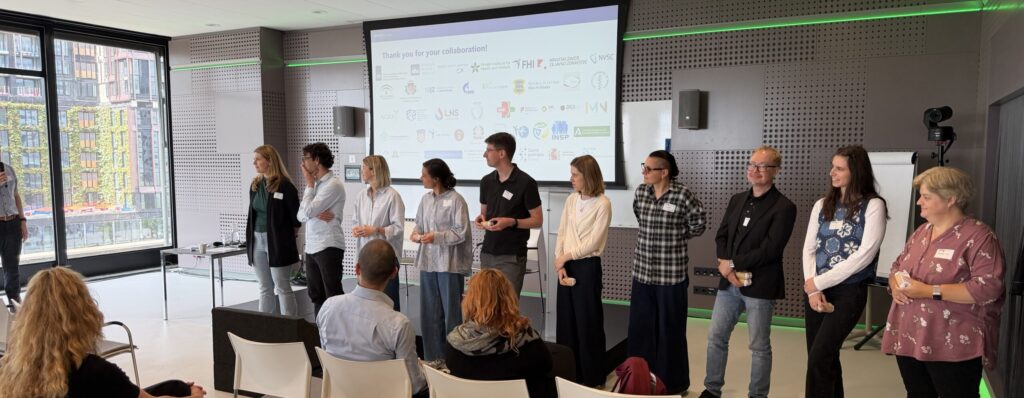
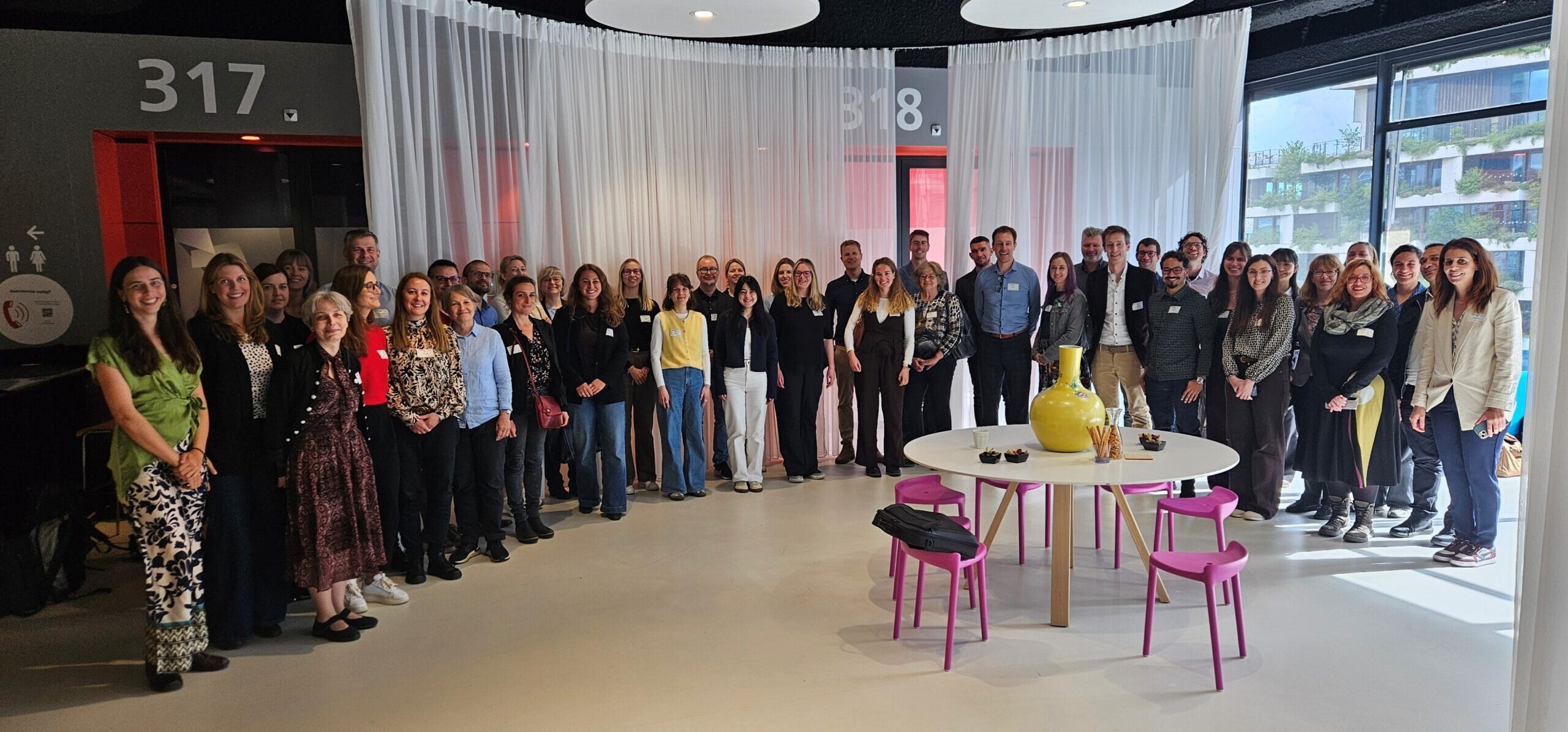
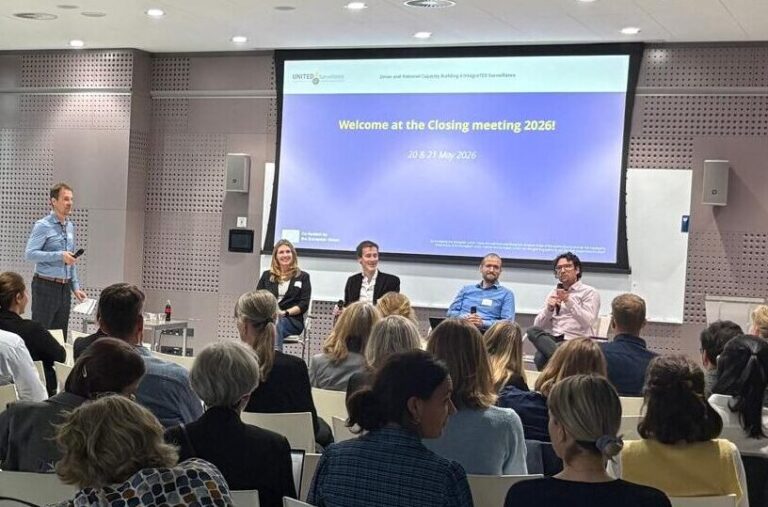
After almost 3,5 years the Joint Action UNITED4Surveillance is coming to an end. A great opportunity to bring all project partners and representatives of follow-up Direct Grant projects together during the Closing meeting. On 20-21 May 2026 the National Institute for Public Health and the Environment (RIVM) – and coordinator of the Joint Action UNITED4Surveillance – hosted the final UNITED4Surveillance meeting in Utrecht, the Netherlands. Over 80 experts and policymakers representing 25 European countries attended the two-day event in-person or online to reflect on the UNITED4Surveillance results, exchange experiences and explore opportunities for future collaboration.
Day 1
UNITED4Surveillance Roadmap
The coordinator of the Joint Action, Eelco Franz (RIVM), opened the meeting and presented the final product of this Joint Action: the interactive UNITED4Surveillance Roadmap.
Based on results and recommendations throughout the project, this interactive Roadmap serves as a user-friendly, easily accessible guide for Member States to improve their integrated infectious disease surveillance, both now and in the future. By putting our results into context of the ECDC Long-term surveillance framework, the progress that has been made in effectively responding to cross-border health threats from infectious diseases is highlighted in line with European strategy and vision.
Tools and guides developed by the UNITED4Surveillance Joint Action are easily and open-source accessible through topic-specific roadmaps: Outbreak detection, Hospital surveillance, and One Health surveillance.
The roadmap is available on the UNITED4Surveillance project website: UNITED4Surveillance Roadmap and will remain accessible for, at least for the duration of all Direct Grants funded under call topic EU4H-2023-DGA-MS-IBA-01.
About EU policy by Ingrid Keller
Ingrid Keller (Head of Unit, SANTE B2 Health Security of the European Commission) brought us up to speed about recent EU policy developments that are relevant for infectious disease surveillance, including:
- Next Multi-annual Financial Framework (“MFF”) 2028-2034, where the new structure was presented. EU4Health will be incorporated in other Programmes: EU Competitiveness Fund and UCPM – Health Emergency and Response
- Preparedness Union Strategy: a new plan to be better prepared for the next crisis, whether it’s a natural disaster, cyberattack or another major emergency
- Union Prevention, Preparedness and Response Plan for health crises
- EU ‘surveillance package’ of legal Acts:
o Implementing Acts 13.10(a), 13.10(b), 13.10(c), and 14.6;
o Delegated Acts 14.7(a), 14.7(b)
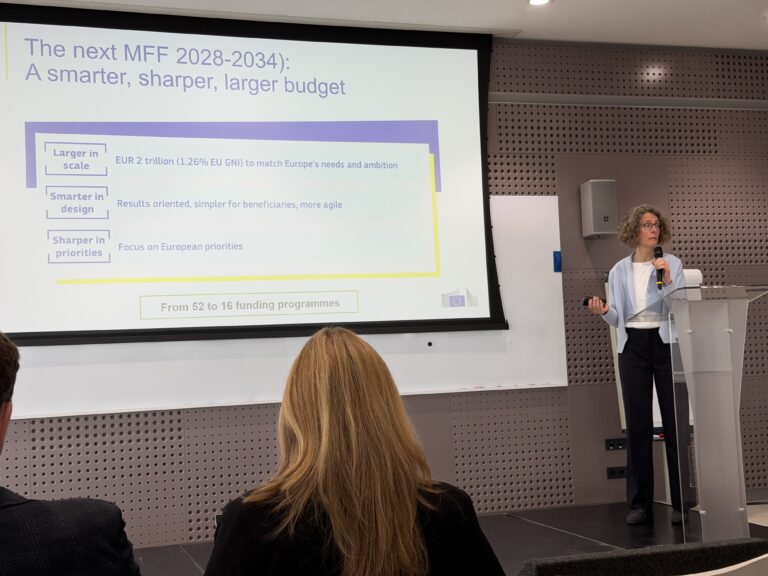
Several statements were discussed with the audience using Mentimeter to evaluate UNITED4surveillance. Sharing experiences and learning from other countries within an established network were regarded as highly valuable by the audience. The signal detection tool developed in WP2 was often mentioned as one of UNITED4Surveillance’s main successes. Furthermore, this session was used to explore how the European Commission could assist in maintaining the sustainability of the UNITED4Surveillance results. Consistent funding in follow-up projects (e.g. Direct Grants) was highlighted to ensure implementation of U4S initiatives and recommendations.
Keynote lecture by Susan van den Hof
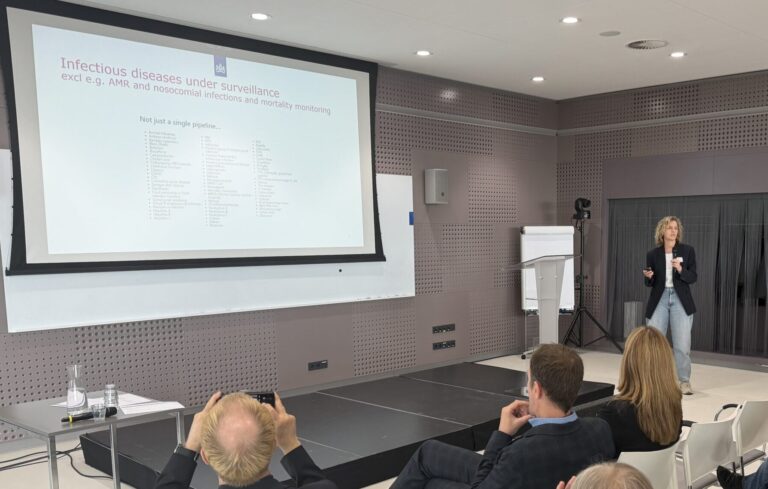
Susan van den Hof (Head of the Centre for Infectious Disease Epidemiology and Surveillance at RIVM) presented improvements and barriers of infectious disease surveillance using examples from different levels of the surveillance pyramid. She highlighted a few examples:
- Automatisation of data pipelines in R for surveillance
- SARI surveillance
- Infectieradar: community-based participatory surveillance
Workshops
In the afternoon all attendees participated in two of the following workshops:
- Building trust among stakeholders – Cross-sectoral collaboration Roan Pijnacker & Eelco Franz
- Make data work for you – Data sharing & interoperability Sierk Marbus & Martijn van Rooijen
- From paper to pipeline – Digital readiness Teemu Möttönen & Carlos Carvalho
- Making lasting impact – Sustainability Brigita Kairiene & Nika Ritsema
Workshop 1: Cross-sectoral collaboration
During the UNITED4Surveillance workshop, participants discussed how cross-sectoral collaboration for One Health surveillance differs across countries. In some countries, collaboration is supported by formal strategic agreements, which help clarify roles and facilitate data sharing and funding. Others rely on informal networks, where personal relationships and ad hoc projects drive collaboration, but sustainability can be a challenge when personnel or funding changes.
Funding remains a major obstacle, as grants are often directed to individual sectors, either human health or food/veterinary, rather than joint initiatives. Some countries have managed to integrate their surveillance systems, enabling real-time data sharing across sectors, while others still face technical, legal, or trust barriers. Training and capacity building also vary; countries with joint workshops or meetings foster greater mutual understanding and trust among professionals.
Additionally, even in countries where a well-structured system is in place, there can be challenges with having enough personnel to carry out all the necessary work that arises from these collaborations. This highlights the importance of not only building robust systems but also ensuring adequate staffing and resources to make them effective.
Workshop 2: Data sharing & interoperability
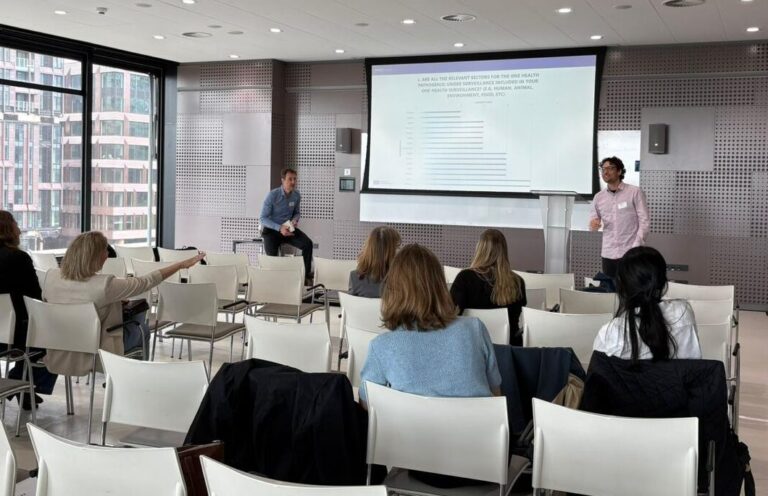
The data sharing workshop focused on assessing how U4S recommendations could support Member States in improving their surveillance and data sharing at national and European levels. Selected U4S recommendations were grouped according to the surveillance data cycle and ranked by the workshop participants. The top 3 ranked U4S recommendations were: 1 establishing clear legal frameworks for data sharing; 2 Mapping the available data; and 3. Develop machine-2-machine integrations. These recommendations were further explored in smaller groups by the workshop participants for defining concrete future steps at both national and European level.
Key take aways:
- Legal barriers for data sharing must first be addressed to be able to effectively follow up on data mapping and machine-2-machine integrations.
- EC and ECDC are recommended to provide legal guidance on what is permitted under the GDPR regarding infectious disease data sharing for public health purposes. This would provide valuable support for discussions with legal experts and policy makers at the national level.
- A benefit-risk analysis on infectious disease data sharing was proposed as follow-up step at national level to support the discussion with legal experts and policy makers on whether the benefits of sharing such data outweigh the risks of identifying individual persons.
- Adjusting national Communicable Health Acts is an initiative undertaken by several countries to establish a clear legal framework for infectious disease data sharing in the medium to long term. In the meantime, legal frameworks (e.g. Memorandum of Understanding, collaboration agreements) among national partners are proposed as a next step to tackle the data sharing barriers short-term.
- A workshop participant suggested that a health number could serve as a unique identifier, providing an alternative to the national identification number, especially when linking case-based health data and interpretation of the GDPR lead to a more conservative approach to data sharing.
Workshop 3: Digital readiness
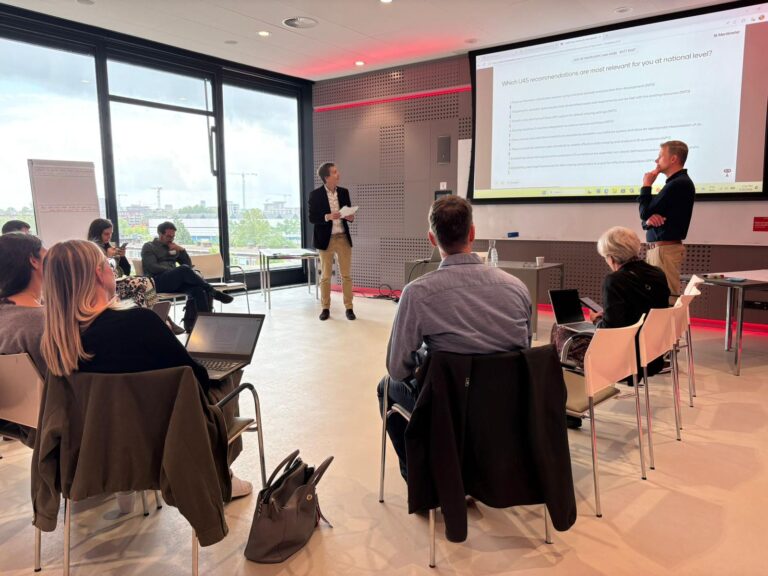
We held a workshop on digital readiness focusing on the transition from paper-based to eHealth-based surveillance, in line with the UNITED4Surveillance roadmap.
Overall, countries are clearly moving towards digitalisation, but at different speeds and with important gaps. Several countries have advanced systems or long-standing platforms, while others are still in semi-automated stages. This confirms the roadmap recommendation to move away from paper-based systems, while recognising that the transition remains ongoing and uneven.
A key message across discussions is that digitalisation must be driven by clear surveillance objectives and prioritised data sources, rather than by data availability. Many countries highlighted issues with collecting large volumes of data without a clear purpose, reinforcing the need for data minimisation and alignment with surveillance goals.
Countries are increasingly working towards integration of existing data sources, particularly using national registers and hospital data. But practical challenges remain, including unstructured clinical data, reliance on free text, and limited interoperability. New approaches, such as the use of large language models to process free text and automated data extraction from hospital systems, are emerging.
There was strong consensus that EHR-based surveillance is the future and essential to reduce manual reporting burden. However, systems are not yet mature enough to fully replace notification-based surveillance. A pragmatic approach is to use EHR data to support or trigger notifications, while transitioning progressively towards more automated systems.
The discussions also highlighted the importance of data governance and legal frameworks, including secure data sharing, clear access rules, and alignment with national and EU legislation. In parallel, stakeholder collaboration (across public health, healthcare providers, IT, and legal actors) was consistently identified as critical for successful implementation.
Workshop 4: Sustainability
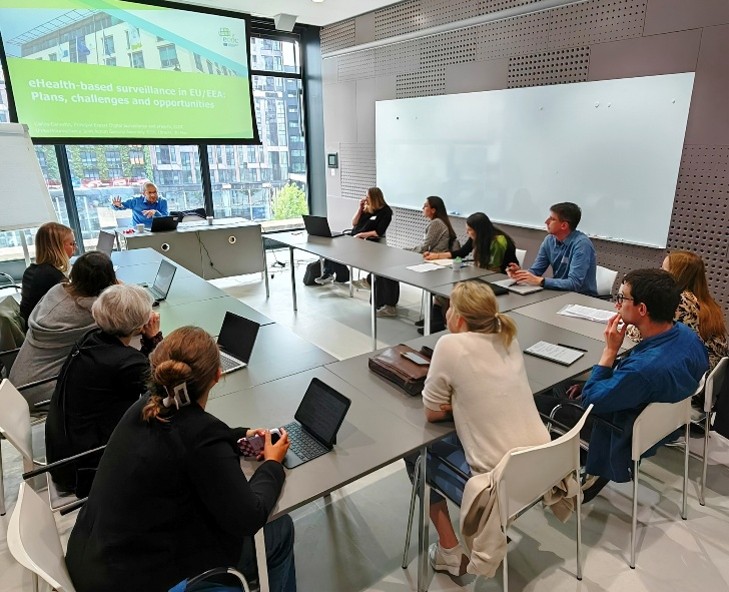
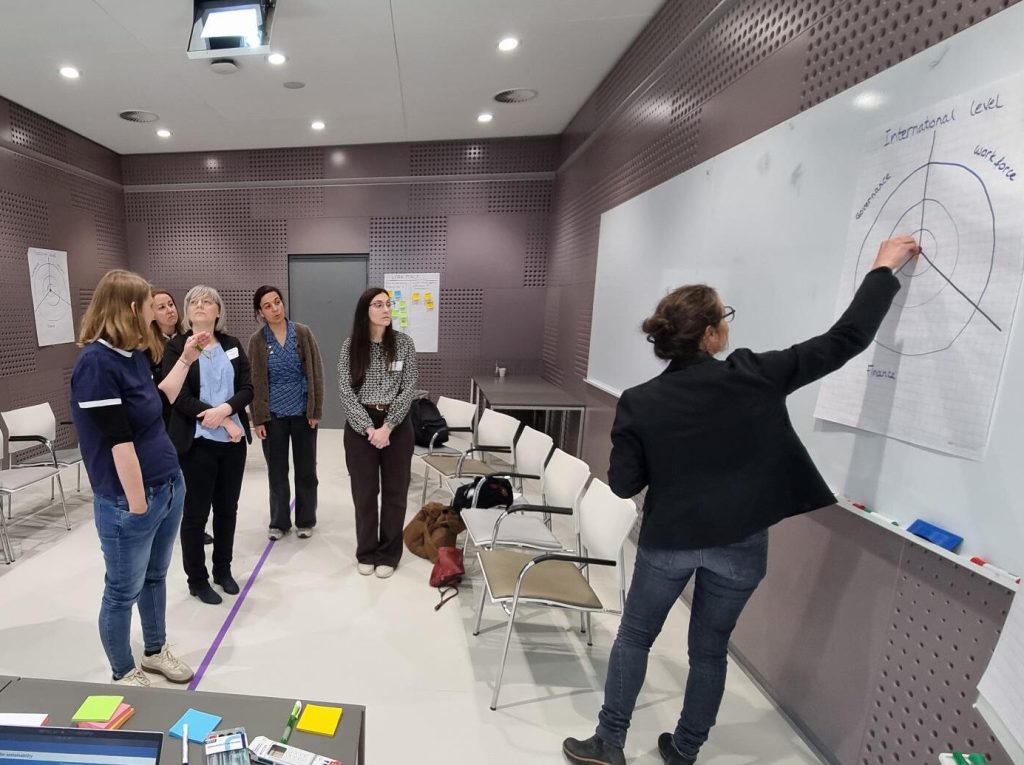
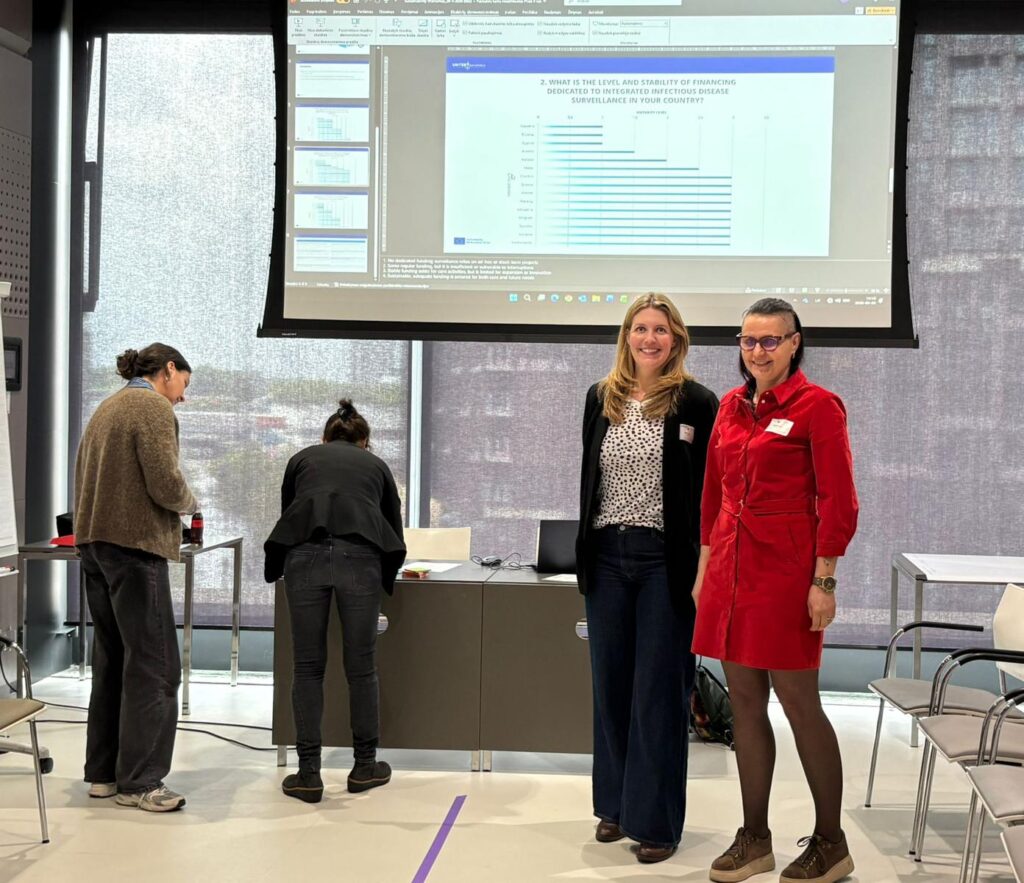
The objective of the sustainability workshop was to discuss possibilities for sustaining project activities and outcomes, and for participants to come up with actions or next steps for future development of integrated infectious disease surveillance. Following the Plan-Do-Check-Act cycle participants discussed and prioritized several suggestions for sustainability of project activities from three perspectives: governance, work force (staff) and funding.
Key take-aways:
- To implement or sustain project outcomes it is important to keep the collaboration with stakeholders and project partners going. This can be done by formalizing a long-term collaboration beyond projects, e.g. by a memorandum of understanding, or by continuing meeting and connecting after the project has ended.
- Sustainability is easier when the outcomes or activities have higher priority within the country or institute. This should be taken into account during the proposal phase en receive continued attention during the project by aligning project activities to national strategies, or by continuously highlighting the relevance of outcomes internally and externally.
- Other requirements for successful sustainability are dedicated staff and time (and sufficient funding) to continue to work on project outcomes.
The day ended with a plenary recap from the workshop leaders and then there was an opportunity for networking and catching up with participants over drinks and dinner.
Day 2
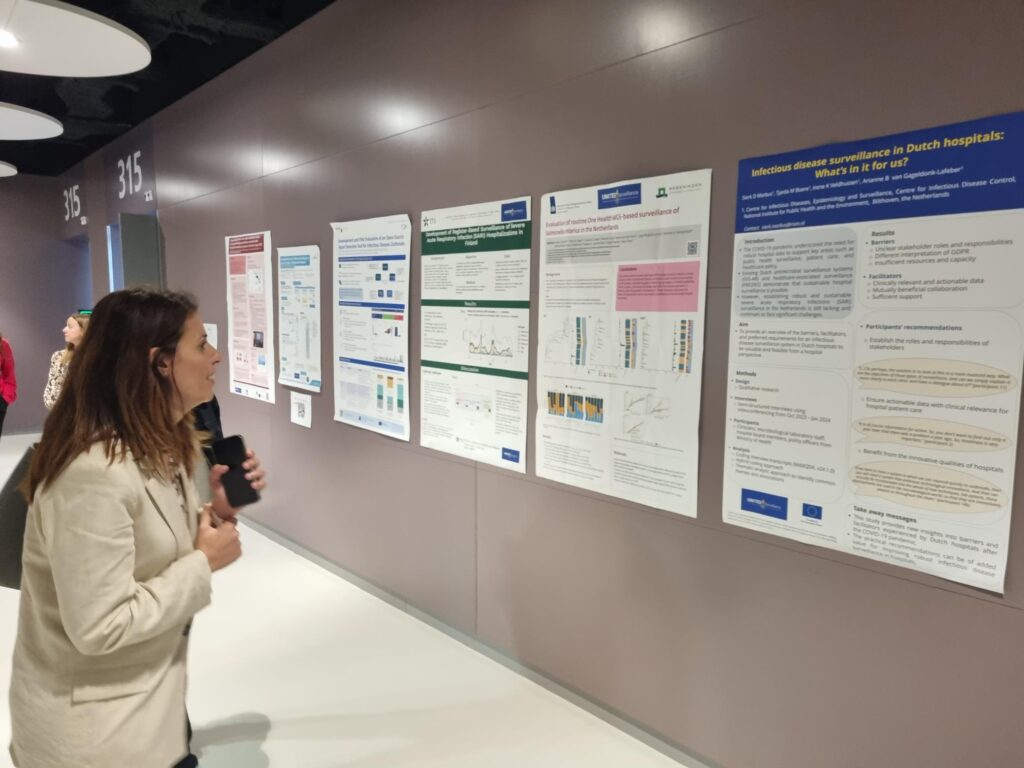
Day 2 was dedicated to mapping and connecting projects and initiatives, both on National and European level.
Mapping and connecting on National level
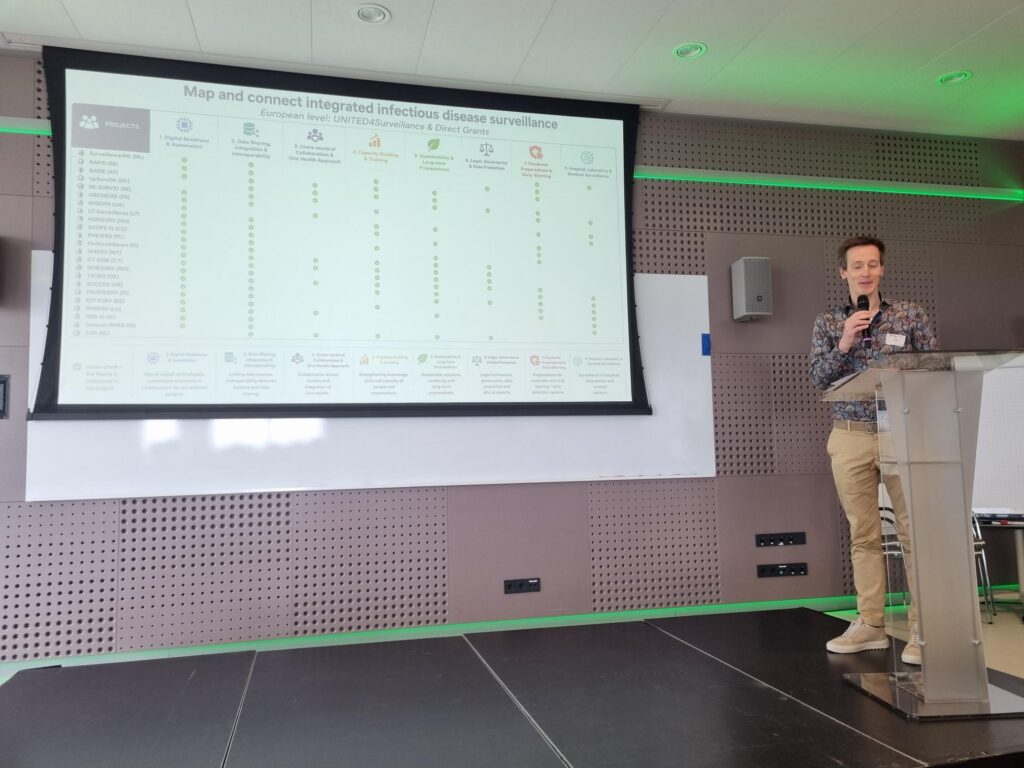
In most Member States there are a lot of projects and initiatives ongoing about integrated infectious disease surveillance. How do you create oversight of all projects? How do you avoid fragmentation? And how do you establish synergies and collaboration? Sierk Marbus (RIVM, the Netherlands), Elena Sassu (Ages, Austria) and Pikka Jokelainen (SSI, Denmark) showed a national mapping of projects on (One Health) infectious disease surveillance.
There was a lively discussion where aligning projects with national and institutional strategies and goals; formally established governance or networks; and dedicated project management and coordination, were found to be highly valuable to enhance connection and collaboration on integrated infectious disease surveillance.
Mapping and connecting on European level
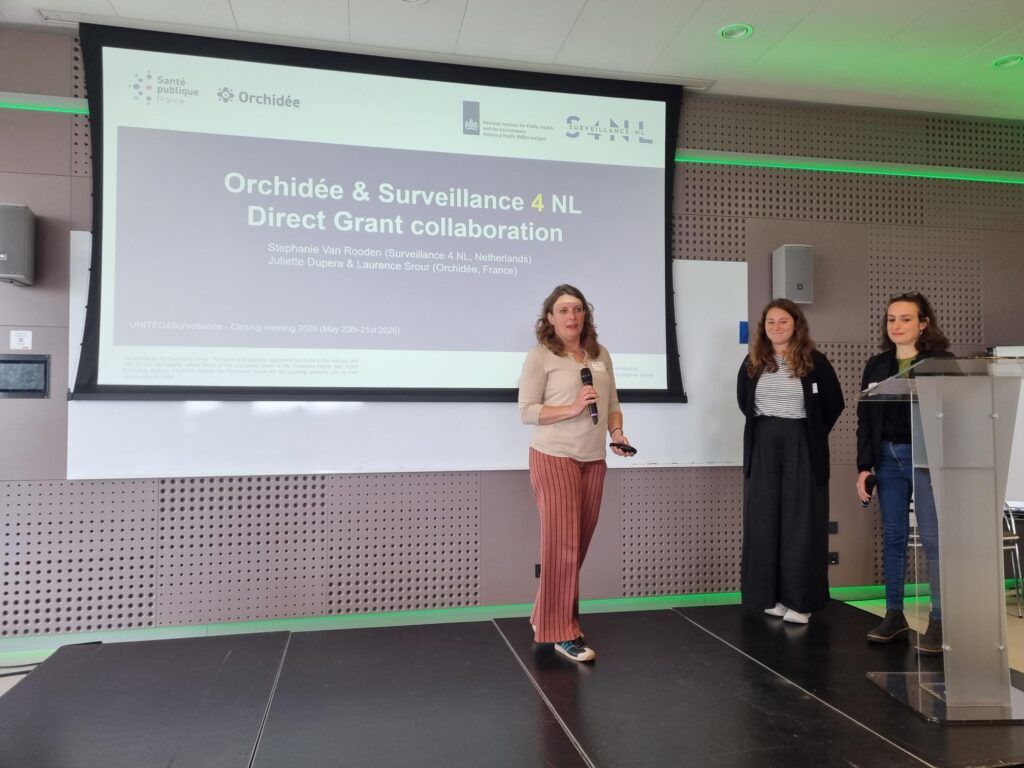
One of the objectives of the closing meeting is to explore opportunities for more connection and collaboration between Direct Grants funded under call topic EU4H-2023-DGA-MS-IBA-01 on similar topics. For this Stephanie van Rooden (Surveillance4NL), Juliette Dupere and Laurence Srour (both ORCHIDEE) were invited to talk about how they connected their Direct Grants.
Surveillance4NL and ORCHIDEE both focus on hospital surveillance systems using federated models and face similar opportunities and challenges. The collaboration was established at the start of the projects. Although both countries differ in how the hospital systems are set up, the overlapping aims provide a foundation for working together. Concrete topics they have discussed are, amongst others, case definitions, methods for data reuse, case detection methods, governance, and implementation strategies. Attending meetings, and exchanging knowledge and experiences of possible methods to optimize surveillance systems, enhanced understanding of different approaches and improve efficiency within the projects.
This showcase served as inspiration for other Direct Grants to look for opportunities to connect and exchange best practices. During the speed dates participants were paired based on similar topics in their Direct Grants. We hope that this resulted in new collaborations!
The last session on day 2 was a panel session moderated by Roan Pijnacker.
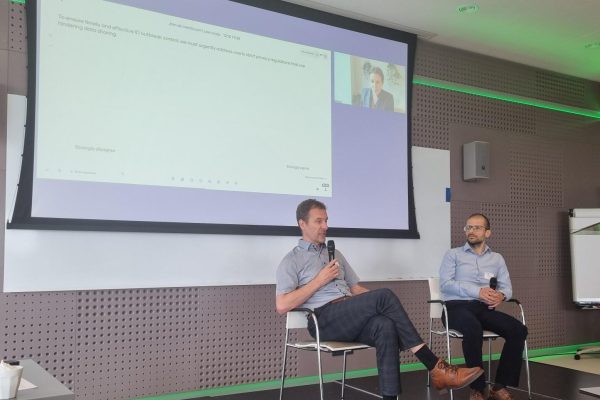
Panelists Carlos Carvalho (ECDC), Pikka Jokelainen (SSI, Coordinator multiple Joint Actions) and Eelco Franz (RIVM, Coordinator Joint Action U4S) were invited to share opinions and experiences based on statements, such as “Bilateral partnerships between Member States with aligned interests are more effective for improving infectious disease surveillance than multi-country collaborations” (neutral to slightly agree, 2.9/5) and “To ensure timely and effective infectious disease outbreak control, we must urgently address overly strict privacy regulations that are hindering the sharing of health data” (strong agreement, 4.1/5).
The Joint Action UNITED4Surveillance is coming to an end on 30 June 2026.
We would like to thank all partners for your contribution to the project. We would also like to express our gratitude to the Work Package Leads for your collaboration and hard work during the Joint Action and making it a success!